
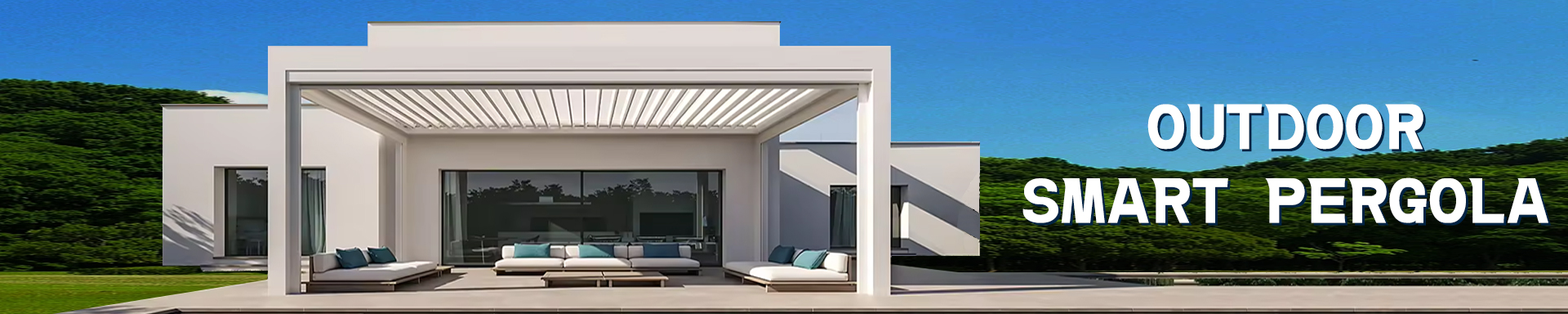
1. Structural and Design Trends
In 2026, structural design no longer focuses on “bigger and heavier.” The market now favors structural efficiency, visual cleanliness, and expandability, especially for commercial parking lots, mixed-use developments, and residential driveways. Modern Aluminum Solar Carport systems prioritize load optimization, modular logic, and integrated detailing rather than brute material volume. This shift directly affects cost per square foot, installation speed, and long-term usability.
The practical takeaway is clear: structure and design now directly determine ROI, not just appearance.
1.1 Thinner High-Strength Aluminum Frames
Manufacturers increasingly use high-strength aluminum alloys (commonly 6061-T6 and 6005-T5) to reduce profile thickness while maintaining structural capacity. Instead of oversized beams, engineers rely on optimized cross-sections and load-path engineering to handle wind, snow, and panel loads efficiently.
This approach reduces raw material usage and shipping weight, which lowers both material and logistics costs without sacrificing performance.
| Frame Attribute | Traditional Aluminum Frames | High-Strength Optimized Frames |
|---|---|---|
| Typical Beam Thickness | 3.0–4.0 mm | 2.0–2.8 mm |
| Alloy Type | Standard 6063 | 6061-T6 / 6005-T5 |
| Weight per m² | Higher | Reduced by ~15–25% |
| Structural Capacity | Adequate | Equal or higher |
| Visual Profile | Bulky | Slim, architectural |
If your site faces strict height limits or visual integration requirements, thinner high-strength frames offer a measurable advantage without increasing structural risk.
1.2 Modular and Expandable Carport Layouts
Design logic in 2026 strongly favors modular bay systems rather than fixed, single-span structures. Each bay functions as an independent structural unit that can connect laterally or longitudinally, making expansion predictable and cost-controlled.
This trend shows clear benefits in both commercial parking rows and residential multi-vehicle layouts, where future EV adoption often increases energy demand. A modular approach allows owners to start small and expand without reworking foundations or roof geometry.
Key structural characteristics of modular layouts include:
-
Standardized column spacing, usually 4.5–6.0 meters.
-
Repeatable beam sections to simplify fabrication and spare parts.
-
Bolt-based expansion points pre-designed into columns and beams.
In real parking-lot projects, modular layouts reduce future expansion costs by avoiding demolition or structural retrofits. That flexibility now counts as a structural advantage, not an optional upgrade.
1.3 Integrated Drainage and Cable-Concealment Designs
Another visible shift lies in how structure handles water and wiring, not just how it holds panels. Modern aluminum carport structures now embed drainage channels and cable routes inside beams and columns, eliminating exposed conduits and hanging gutters.
Instead of surface-mounted accessories, designers route:
-
Rainwater through internal beam channels toward column downpipes.
-
DC and AC cables through pre-formed internal cavities.
-
Junction points directly into inverter or utility zones without exterior runs.
This integration improves durability by protecting cables from UV exposure and moisture, while also delivering a cleaner visual result. Parking facilities with visible cabling increasingly appear outdated, especially in commercial or mixed-use developments.
In 2026, integrated drainage and concealed wiring no longer qualify as premium features—they define baseline expectations for structurally modern solar carport systems.
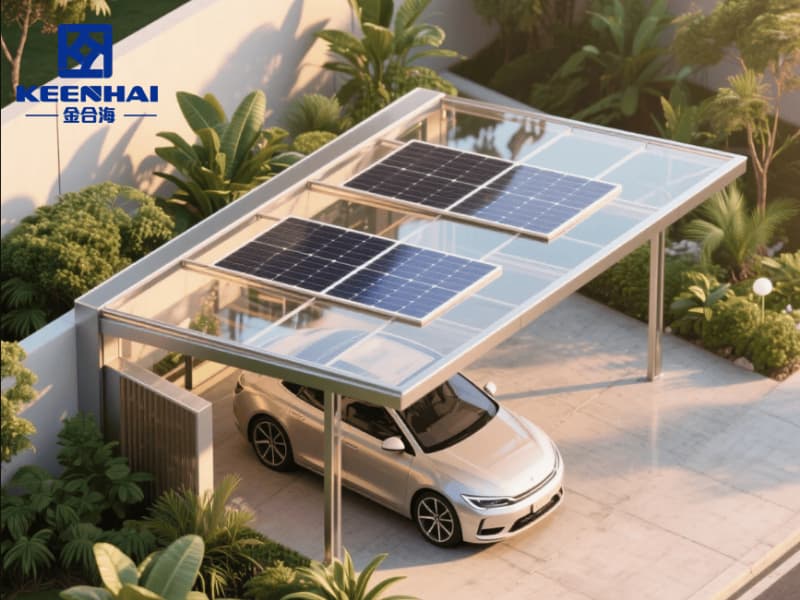
2. Solar Panel and Energy Performance Trends
By 2026, energy performance no longer depends only on panel wattage. Real gains now come from panel efficiency, spatial utilization, and system-level coordination. In parking-lot deployments, especially with Aluminum Solar Carport structures, designers optimize energy output per square foot rather than maximizing total panel count. This approach aligns better with limited roof geometry, vehicle clearance rules, and long-term operational efficiency.
What matters most is how much usable power the structure delivers within a fixed footprint.
2.1 Higher-Efficiency Panels with Smaller Footprints
Solar panel manufacturers increasingly prioritize efficiency density, not panel size. Modern mono-PERC, TOPCon, and heterojunction panels commonly reach 21.5%–23% efficiency, allowing fewer panels to produce the same output.
For carport applications, this trend directly reduces structural span length, rail count, and wiring complexity. A smaller footprint also simplifies drainage alignment and improves visual balance above parked vehicles.
| Panel Type | Typical Efficiency | Output per m² | Structural Impact |
|---|---|---|---|
| Standard Mono | 19–20% | Moderate | Requires more panels |
| Mono-PERC | 20.5–21.5% | Higher | Balanced layout |
| TOPCon / HJT | 22–23% | Very high | Fewer panels, cleaner roof |
In practical terms, higher-efficiency panels allow tighter layouts without sacrificing total system output, which directly improves space utilization in constrained parking rows.
2.2 Optimized Tilt Angles for Parking-Lot Applications
Fixed residential tilt angles rarely translate well to parking environments. In 2026 designs, installers fine-tune tilt angles specifically for carport height limits, row spacing, and vehicle circulation, not just latitude.
Most parking-lot systems now settle within a 5°–10° tilt range, balancing energy yield with structural and clearance constraints. The optimization process typically follows a clear sequence:
-
Confirm maximum allowable carport height based on vehicle and local clearance rules
-
Model annual energy yield at multiple tilt angles using site irradiance data
-
Select a low-profile tilt that minimizes shading between rows
-
Align tilt with drainage direction to avoid water pooling on panel edges
This method sacrifices minimal annual output while significantly improving constructability and visual uniformity across large parking areas.
2.3 Smart Inverter and Energy Monitoring Integration
Energy performance increasingly depends on how well the system reacts after installation, not just how it performs on day one. Smart inverters and monitoring platforms now integrate directly into carport structures, allowing operators to track performance at the string or even panel level.
Modern systems typically include:
-
String-level monitoring to identify underperforming zones quickly
-
Real-time output dashboards for facility managers or property owners
-
Remote fault alerts tied to inverter temperature, voltage, and grid status
This integration reduces troubleshooting time and prevents small performance losses from becoming long-term revenue gaps. In commercial parking facilities, continuous visibility into output often matters more than marginal efficiency gains on paper.
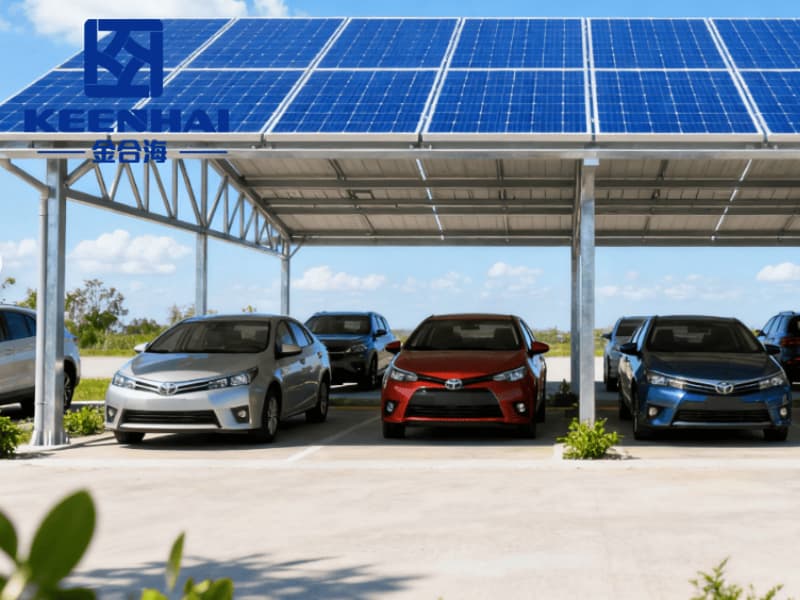
3. Installation and Construction Trends
Installation efficiency has become a core differentiator in 2026. Project owners now evaluate Aluminum Solar Carport systems not only by structural strength, but by how quickly they move from ground work to power generation. Modern construction trends focus on reducing labor hours, minimizing site disruption, and adapting to space-constrained environments without compromising structural integrity.
3.1 Faster Pre-Engineered Installation Systems
Pre-engineered systems increasingly replace field-fabricated solutions. Manufacturers now deliver factory-cut beams, pre-drilled columns, and standardized connection nodes, allowing crews to assemble frames with minimal on-site modification.
A typical streamlined installation sequence follows:
-
Position pre-fabricated columns using factory-defined anchor spacing
-
Bolt primary beams directly to column plates without field welding
-
Install cross members and rail systems using standardized fasteners
-
Complete alignment checks before panel mounting begins
This approach shortens installation timelines by several days on mid-size parking projects while reducing dependency on specialized labor. Crews spend less time measuring and adjusting, and more time assembling components that already fit.
3.2 Reduced Foundation Depth Through Structural Optimization
Structural optimization now plays a direct role in foundation design. Engineers reduce footing depth by redistributing loads through wider column spacing, higher-strength aluminum alloys, and improved moment connections.
Instead of overbuilding foundations to compensate for unknown forces, modern designs rely on:
-
Accurate wind uplift modeling
-
Refined load paths from roof to footing
-
Optimized column geometry for lateral resistance
This shift often reduces excavation volume and concrete usage without affecting long-term stability. On commercial sites, shallower foundations also accelerate inspection approval and shorten curing schedules.
3.3 Adaptation for Uneven or Limited Urban Sites
Urban installations rarely offer ideal conditions. Sloped pavement, underground utilities, and restricted access demand flexible construction strategies. In response, installers increasingly use adjustable base plates, stepped column heights, and segmented construction zones.
Effective adaptation typically includes:
-
Surveying elevation changes across parking rows
-
Grouping columns by height tolerance zones
-
Installing frames in phased sections to maintain site access
-
Fine-tuning alignment during beam installation, not after
These techniques allow installation teams to work around existing infrastructure instead of removing it. The result is a carport system that fits the site as it exists, not as it was originally designed on paper.
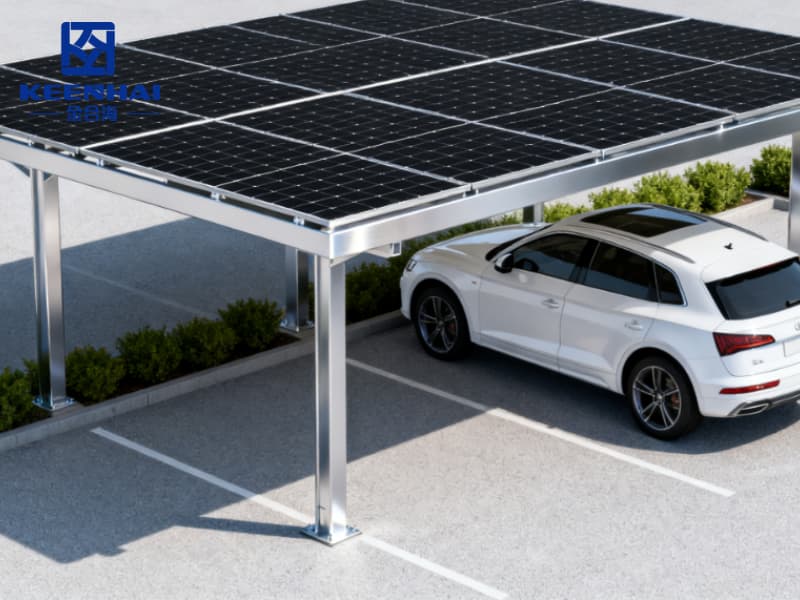
4. Cost and Material Optimization Trends
In 2026, cost control no longer comes from cutting material thickness or lowering specifications. It comes from engineering precision, material standardization, and labor efficiency. Buyers evaluating Aluminum Solar Carport systems increasingly focus on how design decisions translate into predictable cost per square foot over the entire build cycle.
The goal is simple: spend less where it does not affect performance, and invest exactly where it does.
4.1 Aluminum Grade Selection for Cost-to-Strength Balance
Aluminum grade selection has become more targeted. Instead of defaulting to the highest-strength alloy across the entire structure, designers now apply different grades to different load paths.
Common optimization logic includes:
-
Higher-strength aluminum for columns and primary beams that resist wind uplift and bending
-
Standard structural-grade aluminum for secondary purlins and panel rails
-
Corrosion-optimized alloys only where exposure actually demands it
This approach reduces raw material cost without reducing structural capacity. Over-specifying every component adds cost quickly and rarely improves real-world performance.
4.2 Material Standardization to Control Cost per Square Foot
Material standardization directly controls cost volatility. Manufacturers increasingly limit the number of beam profiles, column sizes, and connection types used across projects.
Standardization typically includes:
-
Fixed column cross-sections for multiple span ranges
-
Uniform beam profiles with modular length options
-
Repeated connection hardware across all load classes
This reduces tooling changes, simplifies inventory, and lowers fabrication error rates. For buyers, it translates into more stable pricing per square foot and shorter production lead times.
4.3 Labor Reduction Through Factory Pre-Assembly
Labor optimization now starts in the factory, not on site. Pre-assembly of key components significantly reduces skilled labor hours during installation.
Effective pre-assembly strategies include:
-
Factory-attached base plates and brackets
-
Pre-installed rail systems on beam sections
-
Labeled and sequenced components delivered in installation order
On-site crews shift from fabrication to assembly, which lowers labor cost, shortens schedules, and reduces installation variability. Fewer field decisions also mean fewer mistakes.
5. Commercial and Residential Usage Trends
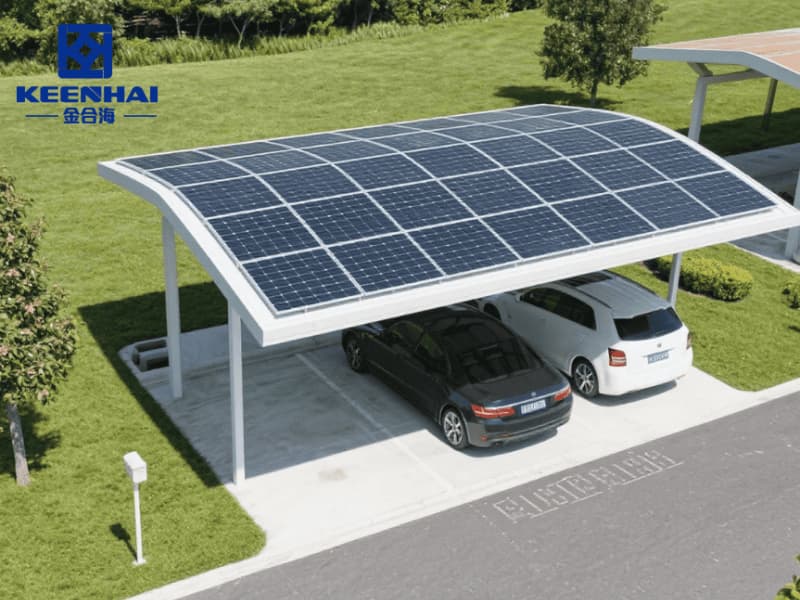
Usage patterns for Aluminum Solar Carport systems continue to shift in 2026. What started as a utility-driven solution has expanded into a mainstream infrastructure choice for both commercial operators and homeowners. The defining trend is flexibility: systems now serve more vehicle types, more site constraints, and higher visual expectations than ever before.
Demand no longer centers on whether solar carports make sense — it centers on how well they fit the space and purpose.
5.1 Growth in Multi-Vehicle and Fleet Parking Solutions
Commercial adoption increasingly focuses on multi-vehicle layouts designed for fleet efficiency rather than individual parking. Logistics hubs, corporate campuses, and light industrial sites favor continuous-span carports that cover multiple rows with minimal column interference.
Key drivers behind this growth include:
-
Higher EV fleet penetration requiring predictable charging capacity
-
Pressure to monetize unused parking areas through on-site energy generation
-
The need to maintain traffic flow without sacrificing coverage
Multi-vehicle configurations allow operators to scale capacity without expanding land use, which directly improves return per square foot.
5.2 Increased Adoption in Residential Driveways and Small Lots
Residential demand has shifted from large suburban installations to compact, space-efficient layouts suited for narrow driveways and small urban lots. Homeowners prioritize clean geometry, low visual mass, and compatibility with existing utilities.
Common residential preferences include:
-
Single- or dual-vehicle spans with minimal columns
-
Reduced roof pitch to maintain sightlines
-
Integrated panel layouts that avoid shading nearby structures
For homeowners, the value lies in combining shade, power generation, and property improvement without changing how the space functions day to day.
5.3 Demand for Aesthetic Matching with Existing Architecture
Aesthetic alignment now plays a central role in purchasing decisions. Buyers expect solar carports to visually integrate with nearby buildings rather than stand apart as purely functional structures.
Design alignment typically focuses on:
-
Frame color matched to façade materials or window systems
-
Roof profiles that echo nearby architectural lines
-
Concealed cabling and drainage to maintain clean surfaces
Visual coherence has become a deciding factor, especially in residential neighborhoods and commercial properties where brand image matters. A structure that looks intentional gains acceptance faster and adds long-term value.